Seattle efforts to vote for removal of plastic bags
 By Elizabeth Martin


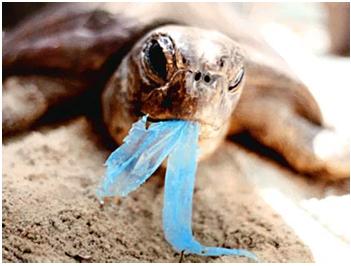
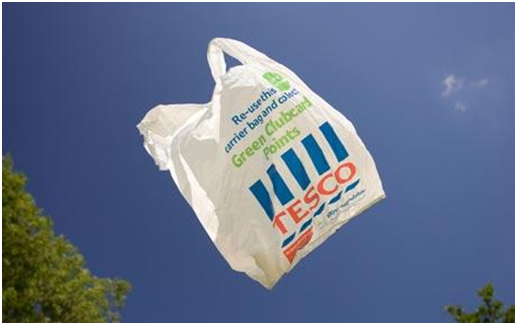
Every year, Washington DC uses more than 2 billion plastic bags, and Seattle alone using 292 million plastic bags each year- a big number to be counted. Among this number used by Seattle, only 13 percent of plastic bags are actually recycled. Most of the quantity is end up in Puget Sound where they are not biodegradable. These bags are broken down into small pieces where they become hazardous to be used by marine life and animals like birds, marine mammals, turtles, and fishes. In 2010, there were found 20 plastic bags in the stomach of a gray beached whale on the West Coast.
Plastic bags ban will work or not?
- 90 percent of all grocery bags used are plastic, which contributes to about 5 trillion plastic bags being used each year worldwide.
- The average American family accumulates 50 plastic bags in one month of grocery shopping
- Plastic bags can take up to 1,000 years to degrade in landfills
- Plastic bags that don’t make it to landfills end up in waterways and as litter throughout the world
- The United Nations Environmental Program estimates that each square kilometer of the ocean contains over 13,000 pieces of plastic. This poisonous material is then eaten by sea life and birds that ingest the toxic chemicals. As a result, those same chemicals are now working their way into the human food chain
- Each year, millions of fish, birds, and mammals die as a result of consuming plastic directly from plastic bags or from consuming microscopic pieces of plastic that may have come from plastic bags
- The production of 1 billion plastic bags requires the consumption of 12 million barrels of oil. Carry that ratio out over the estimated 5 trillion plastic bags that the world consumes, and you’re talking about 600 million barrels of oil used each year just to produce plastic bags
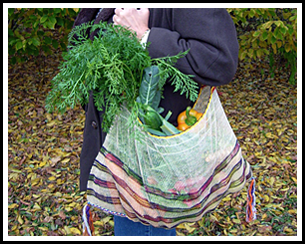
Our Reusable Shopping Bags are the ideal alternative to plastic
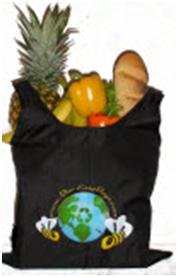
Claiming that the plastic bag tax is unfair to low-income families is equally transparent. When you consider that every reusable shopping bag can carry 2 to 3 times as much as a plastic bag and can be used for years before needed to be replaced, some simple math will show you that it will actually be cheaper for consumers to purchase reusable bags than to continue paying for plastic bags. Incidentally, the same argument can be made regardless of a plastic bag tax, so long as you shop at a grocery store that provides a refund for bringing your own bags – in the three years that I’ve been using reusable shopping bags, I’ve gotten more in refunds from grocery stores than I spent on the initial investment.
For more information about the Seattle Plastic Bag Tax campaign, you can visit the Green Bag Campaign website. If you aren’t a resident of Seattle but want to voice your opposition to plastic bags, you can sign the petition to eliminate the use of plastic bags at Target stores throughout the country.
Of course, here at Reusable Bags Depot, we strongly encourage the use of reusable grocery bags, like our organic cotton bags in favor of disposable plastic bags. We hope that the voters in Seattle on August 18th echo our opinion.
Please share your opinion (pro or con) on plastic bag taxes and/or government measures aimed at reducing plastic bag use below. We’d love to hear from you and get some conversation started about an issue that will likely be in the news in many more cities, states, and countries in the future.
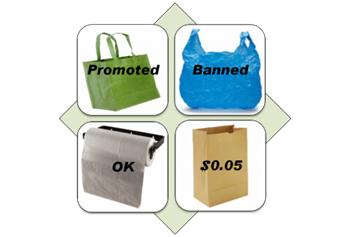
It is simply how a plastic bag ban will work. Retailers are prohibited to offer plastic carry-outs and paper bags should be offered to only 5 percent of the population. The Seattle efforts are worthy to understand and many other cities in the United States will encourage taking similar steps.

No comments yet. Be the first to comment!